
QUEST LOG · January 9, 2026· UPDATED January 8, 2026
Held Hostage by Tools: Rethinking the Case for All in One?
Being a modern person is honestly kind of hard. Lately the thing that feels unreasonable about the world is why there are so many tools, and why most of them do the same thing
Especially with the dev teams in the Chinese-speaking scene I've recently gotten into, the overall tool stack has multiplied
Meeting tools: Slack, Calendly, Telegram, Tencent, Feishu
AI tools: ChatGPT, Gemini, Claude are the mainstream ones, and then everything else keeps multiplying
Notes: Notion, Google, Feishu...
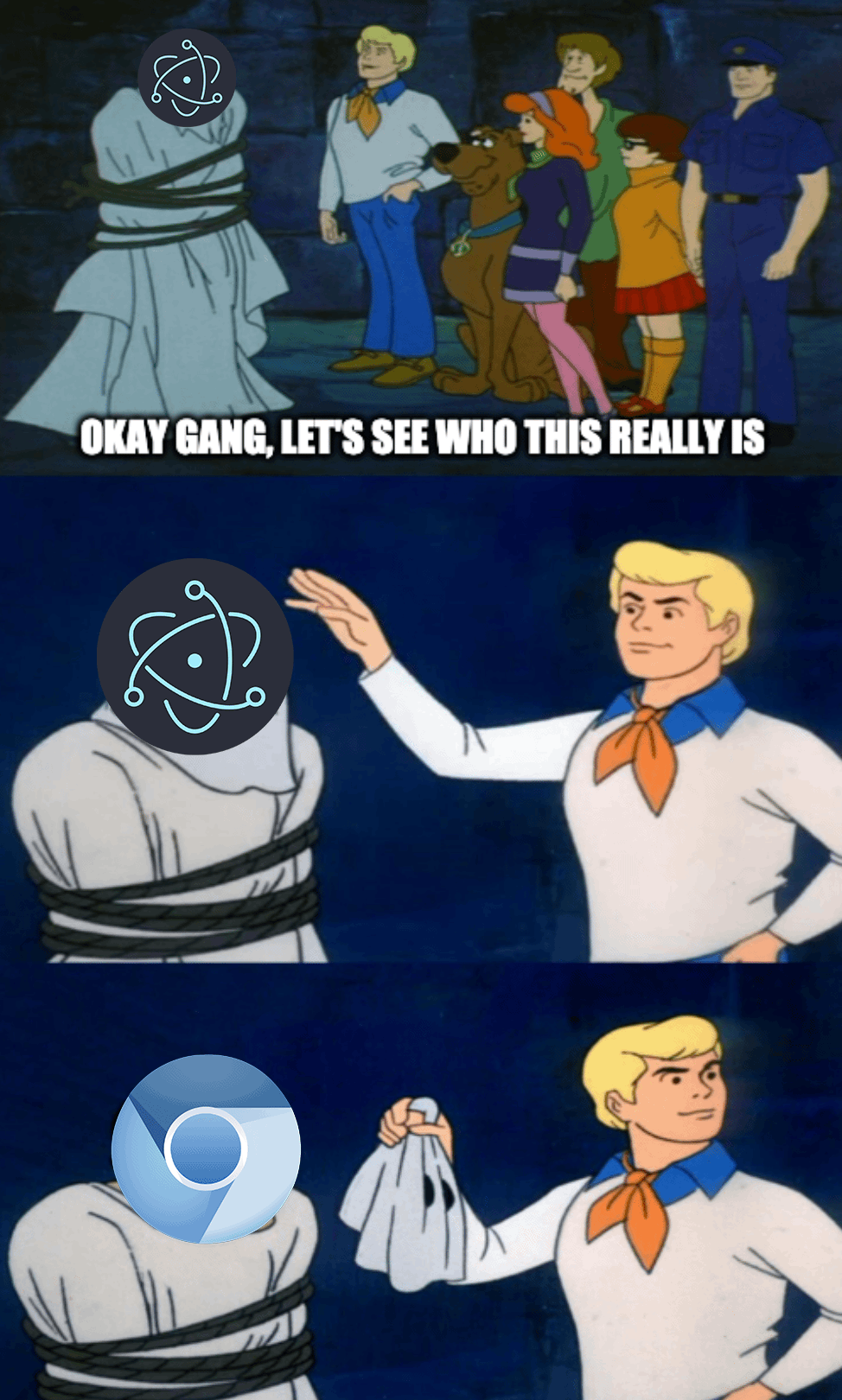
And that's without even getting into how many of these products are written in Electron. Unoptimized, the Helper processes eat a lot of memory, though honestly, once packaged, I don't think the usage is all that terrible.
But the problems with these apps... I can't even count them all. It's painful. With memory prices going up, all of this feels like an invisible, hidden cost.
Recently I got pulled into a bunch of meetings and installed quite a few apps and desktop clients, and I kept wondering why several of them can't even do web meetings properly. Then document viewing and note-taking throw subscription prompts at you at every turn; they just want to bleed you dry. The products are anti-human and the user experience is awful.
Even with the most basic communication mechanics working, they'll crash like crazy in bizarre situations, and their system resource usage is seriously off, even more so after AI got bolted on. Notion pops up AI subscription offers, Windows keeps popping up Copilot help, yet in 99% of situations none of it is useful, and these half-baked features just get built into the product anyway. I find that a little scary.
Consumer tools have gotten so complicated that whether you're a PM, an engineer, or the boss, everyone ends up held hostage by these baffling tools. A while ago I realized that a lot of the tiny UX improvements are pseudo-problems, but because they're done well enough within their own domain, everyone overlooks what the point of the feature was in the first place. Lots of websites keep getting worse, and so much stuff feels like it's been bolted together as secondary development.
My explanation above might be a bit vague, so picture a road sign. Because someone wants to turn it into a digital sign, they stuff IoT into it, add a camera, add a weather sensor, then display a pile of new features on it, and the road sign loses the whole point of being a road sign. A lot of product design these days seems to have this problem, and personally I find it pretty off-putting.
Lately I've been thinking it's no wonder China loves building things like Super Apps. For users, every product they download comes with a learning cost, and All in One can save a lot of time in many situations. But in general, users can't actually find the feature they want inside the app, and it takes up a ton of space on top of that.
I think letting users connect everything they need themselves is probably the best UX. Something that's been bugging me lately is how fragmented the apps I design feel; the elegant design you see from indie developers hasn't shown up in my apps yet.
I've been learning some UX basics lately, hoping to map out the overall user flow and paths more cleanly. I think app and product design isn't about being flashy or pretty; being easy to use is what matters most.
AI applications are booming right now, but honestly I think ordinary developers still have a fair amount of room to make something of themselves over the next five years. Mainly because the trustworthiness of these Agents, and the features they chain together, haven't stood the test of time yet. But if AI could predict every intent, then I'd definitely say that would be the best UX
But before we get there, let me keep stewing over how dumb it is to book a Google Meet through Calendly when we're literally on the same team.... Being held hostage by tools seems to be the fate of a freelancer hopping between projects
Apps I ship
Free on iOS and Android.
AniSeekr
Track anime across MAL, AniList, Bangumi and three more, then visit the real places from the scenes.
Solid(ar)ity
A privacy-first identity wallet: zero-knowledge proofs and signed cards swapped face to face, no central server.